Milford Top Hardwood Refinishing for Custom Floor Restoration
Milford Top Hardwood Refinishing for Custom Floor Restoration
Blog Article
Superior Hardwood Refinishing Services for a Beautiful, Enduring Shine
Premium hardwood restoration services present an practical approach for enhancing the practical and aesthetic qualities of wood floors. These services utilize high-quality materials and expert methods, delivering a finish that is both striking and resilient. Homeowners often fail to recognize the impact of expert restoration on their property value. Grasping the nuances of this process could reveal considerable advantages, particularly when evaluating the long-term benefits and the pitfalls of DIY approaches. What should one know before proceeding?
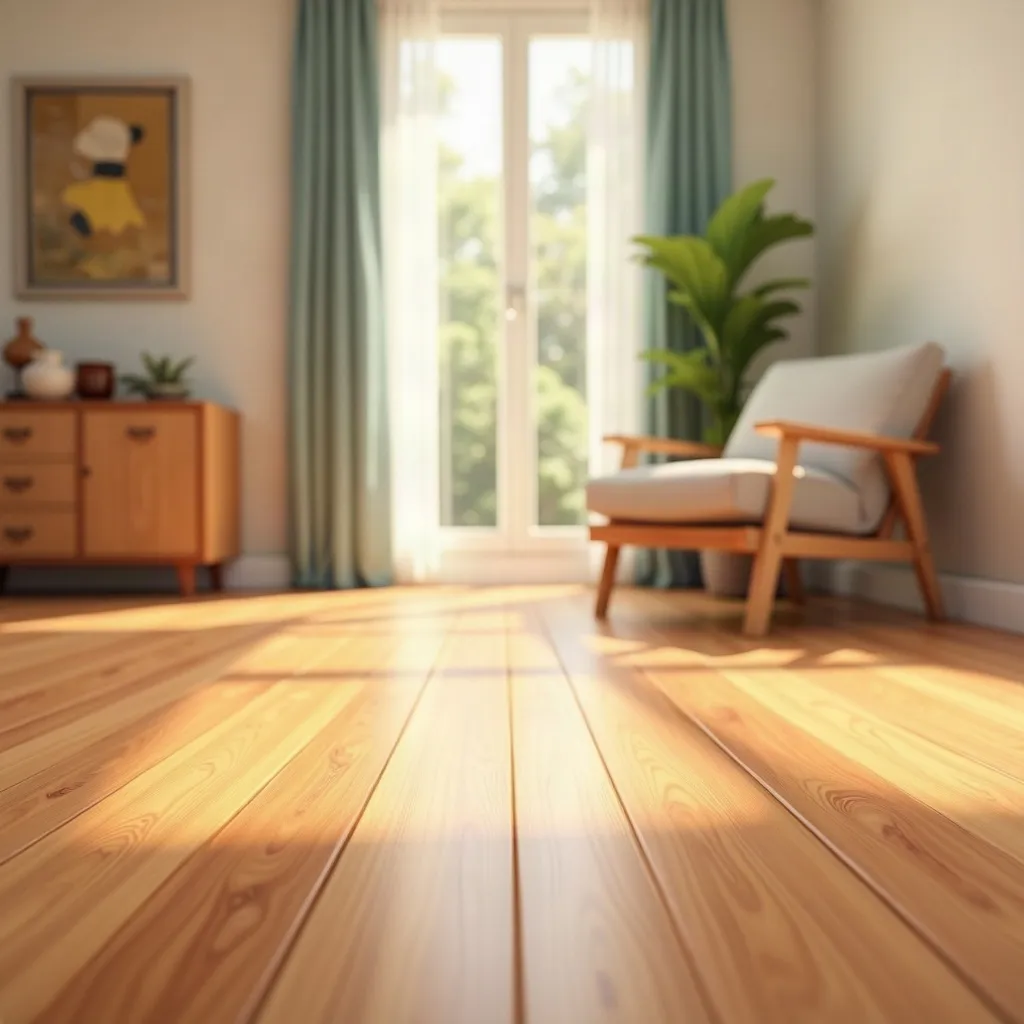
Consider Why Qualified Hardwood Refinishing Pays Off
The charm of beautifully restored hardwood floors often centers on the skill of professional refinishing services. Investing in such services not only enhances the aesthetic appeal of a home but also greatly extends the durability of the flooring. Professionals possess expert understanding and tools that ensure a thorough process, tackling imperfections and wear successfully.
Moreover, their expertise enables customized approaches that suit the specific needs of various wood types and finishes. This careful consideration can avoid additional deterioration and costly repairs in the future.
In addition, a beautifully restored floor can improve property value, making it a prudent investment for homeowners. The time and effort saved by contracting professionals further substantiate the cost, as they complete the job with efficiency and safety. Ultimately, expert floor restoration transforms not just the floors, but the entire ambiance of a living space, making it a worthy consideration.
How Hardwood Refinishing Operates
Hardwood refinishing is a systematic process that starts with a complete preparation and assessment phase. This starting stage makes certain that any pre-existing damage is discovered before the sanding and finishing techniques are employed. Understanding these steps is crucial to achieving the best results in restoring the beauty of hardwood floors.
Readiness and Analysis Stages
Evaluating the condition of the hardwood floor is essential for a successful refinishing project. This process starts with a thorough inspection to identify any damage, such as scratches, dents, or water stains. Professionals typically look for signs of wear, moisture damage, and the overall integrity of the flooring. Once assessed, the type of finish previously applied is noted, as this affects the refinishing approach. Measurements are taken to determine the square footage, directing material selection and cost estimation. Additionally, any necessary repairs, such as filling gaps or replacing damaged boards, are identified. This comprehensive assessment creates a foundation for a tailored refinishing plan, ensuring the final result meets the homeowner's expectations and enhances the floor's longevity.
Smoothing and Finishing Approaches Tasks
Sanding prepares the hardwood surface by getting rid of old finishes and irregularities, thereby revealing the fresh wood underneath. This necessary step involves using different grits of sandpaper, starting with coarse grit to wipe out deep scratches and worn areas. Progressively finer grits refine the surface, ensuring a smooth finish that improves the wood's natural character. After sanding, dust and debris are fully removed to prevent imperfections in the final coating. Following this, finishing techniques such as staining or sealing are executed to protect the wood and increase its appearance. Professional-grade finishes provide durability and a lasting shine, ensuring the hardwood not only looks beautiful but also withstands daily wear. Proper sanding and finishing techniques are essential for producing superior results in hardwood refinishing.
Top Advantages of Expert Hardwood Restoration Services
Transforming dull, deteriorated floors into beautiful displays is one of the most compelling reasons to consider expert wood floor restoration. These services not only revive the original charm of hardwood but also enhance the overall appearance of a home. Professional refinishing can greatly increase property value, making it an appealing investment for homeowners.
Additionally, specialists apply high-quality materials informative guide and state-of-the-art techniques, providing a flawless finish that self-help strategies often are unable to achieve. As a result, increased resilience, allowing surfaces to withstand deterioration with the passage of time, which proves notably beneficial in congested locations.
Moreover, professional refinishing minimizes dust and debris, creating a cleaner environment during the process. With a range of finishes available, homeowners can customize their floors to match their style preferences. Ultimately, seasoned refinishing offers a blend of beauty, longevity, and increased home value, making it a worthwhile consideration for any hardwood floor owner.
Steps to Prepare Your Home for Hardwood Refinishing
Preparing a home for hardwood refinishing is critical to ensure a polished and expedient process. First, occupants should remove all fixtures, rugs, and possessions from the area to create a clear workspace. This not only protects belongings from dust and dirt but also provides easy access for the refinishing team. Next, it is prudent to vacuum the floors thoroughly, eliminating dust and dirt that may compromise the refinishing process.
Homeowners should also consider keeping animals safe in a distinct space to prevent them from wandering into the work zone and assure their safety. Additionally, it is wise to communicate any particular needs or desires with the refinishing professionals beforehand. Finally, maintain proper ventilation in the home, as refinishing materials can emit strong odors. By following these steps, homeowners can enable a more streamlined and successful hardwood refinishing experience.
Frequent Pitfalls to Avoid When Refinishing Hardwood Floors
When restoring hardwood floors, several common mistakes can weaken the results. Disregarding key preparatory work, using incorrect sanding practices, and neglecting suitable finishing methods can lead to disappointing results. Familiarity of these drawbacks is important for achieving a professional-looking finish.
Neglecting Preparation Steps
become worse as time passes. Consequently, meticulous readiness is necessary to ensure the durability and visual beauty of restored wood flooring, eventually enhancing their attractiveness and worth in any space.
Flawed Finishing Strategies
Poor sanding methods can significantly undermine the standard of hardwood floor refinishing. One typical mistake is sanding with variable pressure, which can generate low spots and irregular finishes. Moreover, selecting wrong grit paper can cause over-removal of wood, resulting in damage. Neglecting to sand along the grain direction may also leave visible scratches, reducing the floor's overall appearance. Inadequate dust clearing between sanding passes can cause particles to scratch the surface, compromising the finish. Finally, failing to properly transition through different sanding grits can result in an inconsistent and unprofessional look. Steering clear of these mistakes is essential for obtaining a smooth, perfect finish that improves the natural beauty of hardwood floors.
Neglecting Appropriate Finishing
Proper finishing is just as important as the sanding process in obtaining a high-quality hardwood floor refinishing. Many homeowners discount the importance of using the best finishes and application techniques. Neglecting this step can cause uneven surfaces, poor durability, and an uninspiring appearance. Common mistakes include applying too few coats, using incompatible products, or failing to allow adequate drying time between layers. Additionally, insufficient preparation, such as failing to clean the floor properly, can harm the finish's adherence and longevity. Professionals recommend using high-quality finishes tailored to the exact type of wood, ensuring a durable, long-lasting shine. By focusing on proper finishing, homeowners can boost the aesthetics and lifespan of their hardwood floors, avoiding the hazards of inferior refinishing.
Maintaining Your Newly Finished Hardwood Floors
Caring for newly completed hardwood floors requires regular care to preserve their aesthetics and strength. Frequent sweeping or vacuuming is important to eliminate dust and debris that can scratch the surface. Using a soft-bristle broom or a hardwood-appropriate vacuum helps prevent damage.
Mopping should be done with a slightly wet microfiber cloth and a pH-neutral cleaner designed for hardwood. Too much moisture can result in warping, so it’s essential to refrain from soaking the floors.
Additionally, placing rugs in heavily used spaces can reduce wear and tear. Homeowners should also be mindful of furniture placement; using protective pads under furniture legs can avoid marks.
Finally, maintaining ideal humidity levels in your house can protect the wood from expansion and contraction. Regularly checking for indicators of damage and addressing them promptly will ensure the floors maintain their stunning appearance for many years ahead.
Popular Inquired Questions
How Frequency is Ideal for Hardwood Floor Restoration?
Hardwood floors need to commonly be refinished every 7 to 10 years, contingent upon factors such as foot traffic, wear, and maintenance. Regular inspections can help determine the ideal timing for refinishing to maintain their appearance.
What Selections for Sealers Exist for Hardwood Floors?
Hardwood floors have different options available, such as oil-based polyurethane, water-based polyurethane, penetrating oils, and varnishes. Each choice delivers different durability, appearance, and maintenance requirements, giving homeowners the opportunity to choose based on their specific needs.
Is It Feasible to Stay in My Home During Refinishing?
Throughout the refinishing process, remaining in the home is generally discouraged because of particles, chemical fumes, and health concerns. Residents should think about a brief displacement to guarantee protection and contentment while the process is underway.
How much duration will be needed for the refinishing process?
Refinishing typically requires between three to five days, varying with the dimensions of the area and the level of the work required. This window ensures for adequate hardening and drying of the topcoat.
Is Hardwood Refinishing Secure for Babies and Household Pets?
Hardwood refinishing is generally safe for children and pets when appropriate safety measures are implemented. Ensuring sufficient air circulation, applying low-VOC finishes, and allowing sufficient drying time minimizes risks, establishing a safer environment throughout and following the process.
Report this page